

- by Maike Fürsattel
A-goods: The comprehensive guide for B2B retailers
- by Maike Fürsattel
When trading goods, there are various quality categories that are equally relevant for retailers and end customers. These categories represent the highest quality level and play a central role in B2B business. But what exactly is behind this term? What advantages does virgin material offer over other product categories? And what do retailers need to bear in mind when buying and selling? This comprehensive guide answers all the important questions on the subject and provides practical information for successful trading in high-quality products.
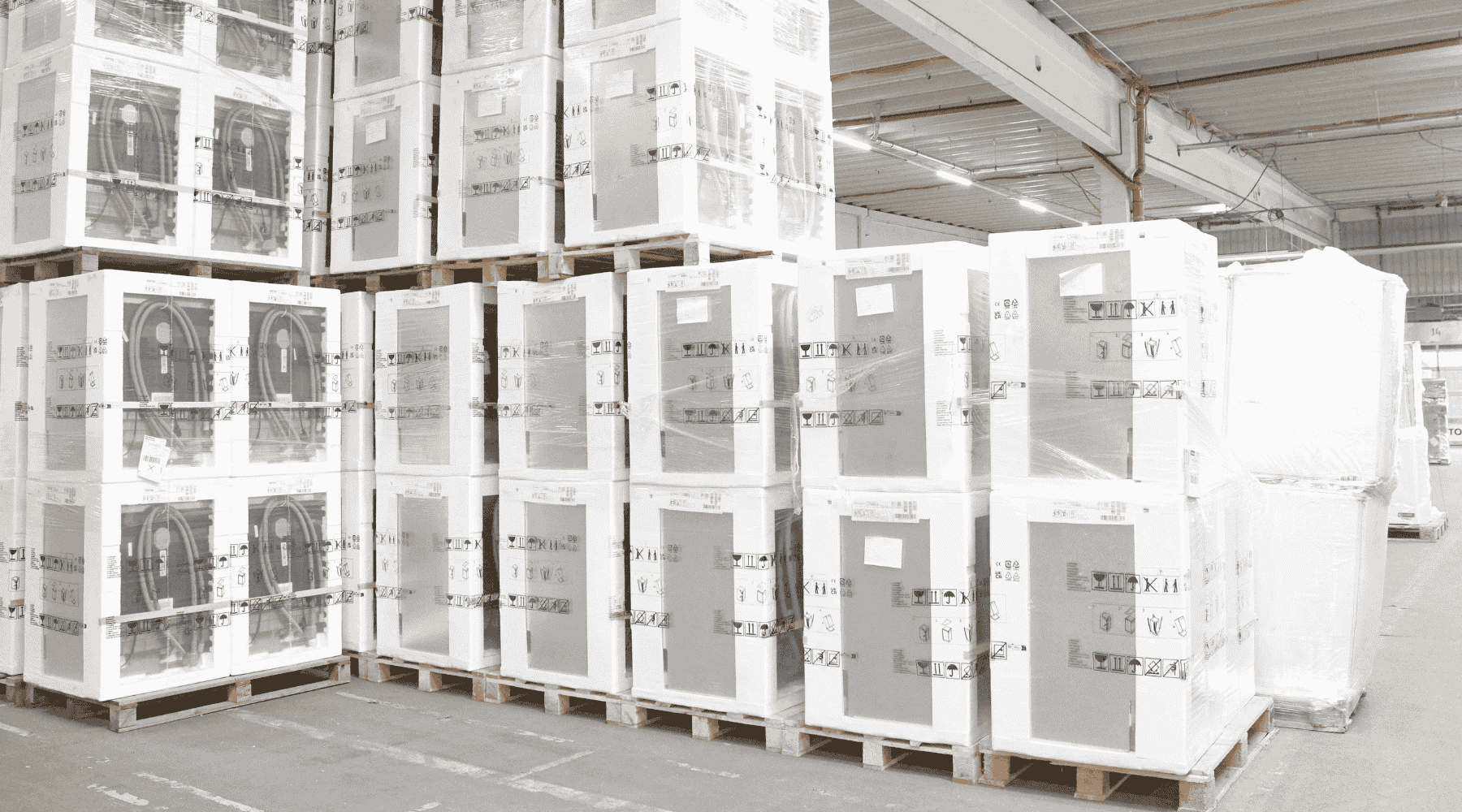
New goods in perfect condition are sold directly by the manufacturer or via authorized sales channels. These are products that have no defects and are sold in their original packaging. The goods have never been used, tested or exhibited and comply exactly with the manufacturer's quality standards.
The quality features can be summarized as follows:
In contrast to B-goodswhich may have minor visual defects or opened packaging, or C goods with clear signs of use, the highest quality level offers perfect products without compromise. Although remaining stock can also be new goods, they are often offered as special items from stock clearance.
Typical product categories cover almost all areas of retail:
The product category does not play a role in the classification - the only decisive factors are the perfect condition and the new condition of the goods.
Trading in new goods offers retailers numerous advantages that have a direct impact on business success. Firstly, there is the high product quality that customers expect and appreciate. As the goods are brand new, retailers can offer their customers a product that meets the highest standards.
Another significant advantage is the full guarantee and warranty claims. Dealers can offer the full statutory periods of 24 months without having to worry about possible previous damage. In addition, the manufacturer's warranties apply without restrictions, which offers additional security.
The high level of customer satisfaction leads to significantly lower return rates. Customers receive exactly the product they expect, making complaints rare. The costs for returns management and customer service are significantly reduced. In addition, positive customer reviews and recommendations are generated, which promote long-term success.
There are also advantages for commercial planning. Calculability is significantly higher than with B-goods, as there are no costs for preparation. In addition, stock levels can be planned more precisely as there are no uncertainties regarding the value of the goods. The resale value remains consistently high.
Last but not least, the brand image benefits from retailers who only offer flawless new goods. Customer confidence increases when they can rely on perfect quality. This positioning often also enables higher sales prices and better margins.
In the B2B sector, purchasing is mainly carried out via wholesalers and distributors. The question often arises as to why retailers cannot buy directly from the manufacturer. The answer lies in the structural conditions of the supply chains.
Manufacturers produce in very large quantities and are dependent on distribution via established structures. The minimum purchase quantities are often in the range of entire truckloads or even containers per order. For most retailers, such quantities are neither financially nor logistically manageable. In addition, there are often distribution agreements with regional restrictions - for example, the goods may not be sold in certain countries or are only intended for stationary retail. In addition, smaller retailers often lack the business relationships and creditworthiness for direct manufacturer contracts.
Wholesalers play an important intermediary role in the market. They buy large quantities from the manufacturer and break them down into smaller, retailer-friendly units. In this way, they also give medium-sized retailers access to reasonable conditions. In addition, wholesalers often offer services such as warehousing, fast delivery and flexible payment terms.
In addition to traditional wholesalers, online platforms are also becoming increasingly important for B2B trade. Platforms such as Alibaba, Metro or specialized industry portals allow retailers to directly compare different offers. Retailers should always check the reliability of the providers.
Several factors play a role in the conditions:
Retailers should pay particular attention to the following aspects when purchasing:
The difference to B-goods is of key importance for retailers, as the two categories appeal to different target groups. New goods are brand new without any defects, while B-goods may have minor visual or functional defects. The packaging of new goods remains originally sealed, whereas B-goods often consist of opened returns.
The price differences between the two categories are considerable:
The full statutory warranty of 24 months plus manufacturer's warranty applies to new goods. In contrast, retailers often only offer 12 months for B-goods, whereby manufacturer warranties often do not apply.
New goods are ideal for quality-conscious customers, gift buyers and regular retailers. B-goods, on the other hand, mainly appeal to price-sensitive buyers. The sales speed is generally higher and more consistent with new goods.
The decision depends on various factors:
New goods are particularly worthwhile:
B-goods are suitable for:
Trade is subject to a clear legal framework. The requirements differ depending on whether the sale is made to commercial customers (B2B) or to end consumers (B2C).
Strict legal requirements apply in the B2C sector. Retailers must offer a two-year warranty, whereby the burden of proof is reversed in the first six months - the retailer must prove that the defect was not already present at the time of delivery. You can find more information at Dealer association.
Labeling is strictly regulated:
There are clear differences between B2B and B2C when it comes to the right of return. In online retail with end customers, there is a 14-day right of withdrawal without giving reasons. Retailers must take back the goods and refund the purchase price in full. In B2B business, on the other hand, there is no statutory right of withdrawal.
Manufacturer warranties apply without restriction from the date of purchase and are in addition to the statutory warranty. Dealers can offer warranty extensions as an additional service. A clear distinction between warranty and guarantee is important in customer communication.

Proper storage is crucial to maintain the status of new goods. Retailers must take special care to avoid damage.
Storage should take place in dry, clean and well-ventilated rooms. Climatic conditions must be taken into account depending on the type of product - electronics, for example, require constant temperatures between 15-25°C. Effective protection against dust, moisture and direct sunlight is essential.
The original packaging plays a key role in preserving value. It should always remain intact, as opened or damaged packaging can jeopardize the status. Careful handling during storage and retrieval is important. Protective films and seals should not be removed as long as the goods remain in the warehouse.
Inventory management requires systematic processes:
Quality assurance must not be neglected. Regular spot checks of the condition of the goods should be documented. Damaged packaging must be sorted out immediately and re-declared as B goods.
The right pricing is crucial for commercial success. Retailers must take various factors into account in order to remain competitive.
Purchase prices from wholesalers are typically 50-70% of the manufacturer's recommended retail price (RRP). Purchase quantities play an important role - larger orders enable better conditions. Prices vary considerably depending on the product category, brand strength and topicality of the goods.
Typical margins in retail are between 20-40% mark-up on the purchase price:
An example illustrates the connections:
Competitive pricing requires continuous market observation. Regular price comparisons with competitors are essential. Dynamic pricing can be useful for products that are in high demand. Seasonal adjustments and discount campaigns to clear stock should be planned for.
Different sales channels require different strategies:
Yes, by definition it is always brand new and unused. The item has not been tested or used and is in the original sealed manufacturer's packaging. All accessories, instructions and warranty documents are included in full. As soon as the packaging has been opened or the product shows signs of use, it is no longer in this category.
Genuine new goods can be recognized by several characteristics. The original packaging must be completely sealed and undamaged, with the manufacturer's seal intact. No traces of opening, adhesive residue or damage should be visible. The product itself must not show any scratches, fingerprints or other signs of use. All protective films and transport protection devices are still present.
This form of merchandise is traded in almost all sectors, although some areas are particularly dominant. The electronics trade with smartphones, laptops and household appliances relies almost exclusively on it. The fashion industry mainly deals in new, unworn goods from the latest collections. In addition, furniture retailers, toy stores and sporting goods retailers are classic sectors for new goods.
No, display items are not considered new, even if they have never been sold. The presentation in the salesroom inevitably results in slight signs of use, the goods have been touched and tested. In addition, the original packaging is usually missing or damaged. Display items must be declared as B-goods and sold at reduced prices. Retailers should communicate transparently that these are former exhibition items.
The full statutory warranty of 24 months from the date of purchase applies. The dealer is liable for the first six months under the reversal of the burden of proof - they must prove that a defect was not already present at the time of purchase. In addition, the manufacturer's warranties apply in full, which often offer additional benefits over and above the statutory warranty. Buyers enjoy maximum protection and can demand repair, replacement or a price reduction in the event of defects.
There are no official quality gradings within the category - either a product meets the criteria or it does not. However, there may be differences in the date of manufacture or model generation. Newer production batches may show minor improvements, but these do not affect the classification. Branded products differ from no-name items in overall quality, but both remain new products as long as they are brand new and in perfect condition.
In principle, new goods retain their status indefinitely as long as the original packaging remains sealed and undamaged. However, technical products can lose value due to prolonged storage when newer models come onto the market. In the case of electronics, the batteries should be checked regularly, as they can be damaged if stored for long periods. A maximum storage period of 12-24 months is recommended for most product categories to avoid loss of value due to technological obsolescence.
New goods of the highest quality form the backbone of quality retail and offer both retailers and end customers considerable advantages. The high product quality, full warranty claims and customer confidence make them the preferred choice in regular retail. However, retailers must take into account the higher purchase prices and lower margins compared to B-goods.
Purchasing through established wholesalers also gives medium-sized retailers access to high-quality goods without having to meet the manufacturers' enormous minimum purchase quantities. They benefit from additional services and flexible conditions that direct manufacturer relationships often cannot offer. Building long-term partnerships with reliable wholesalers is a key success factor.
This form of merchandise is particularly worthwhile for retailers who value brand image, customer satisfaction and legal security. Regular retailers, brand stores and quality-oriented online retailers fare best with it. Outlet stores and special item retailers can achieve higher margins with B-goods, but also bear higher risks.
The market remains stable and will continue to be the dominant form of goods in retail in the future. Digital sales channels and online marketplaces are becoming increasingly important, while bricks-and-mortar retailers can score points for service and advice. Transparency and sustainability are becoming more important - customers want to know where products come from and under what conditions they were produced. Retailers should make their supply chains transparent and rely on certified wholesalers in order to remain successful in the long term.
A-goods: The comprehensive guide for B2B retailers
Buying returns - The ultimate guide 2026
Share:
Buying returns - The ultimate guide 2026