

- by Maike Fürsattel
Buying returns - The ultimate guide 2026
- by Maike Fürsattel
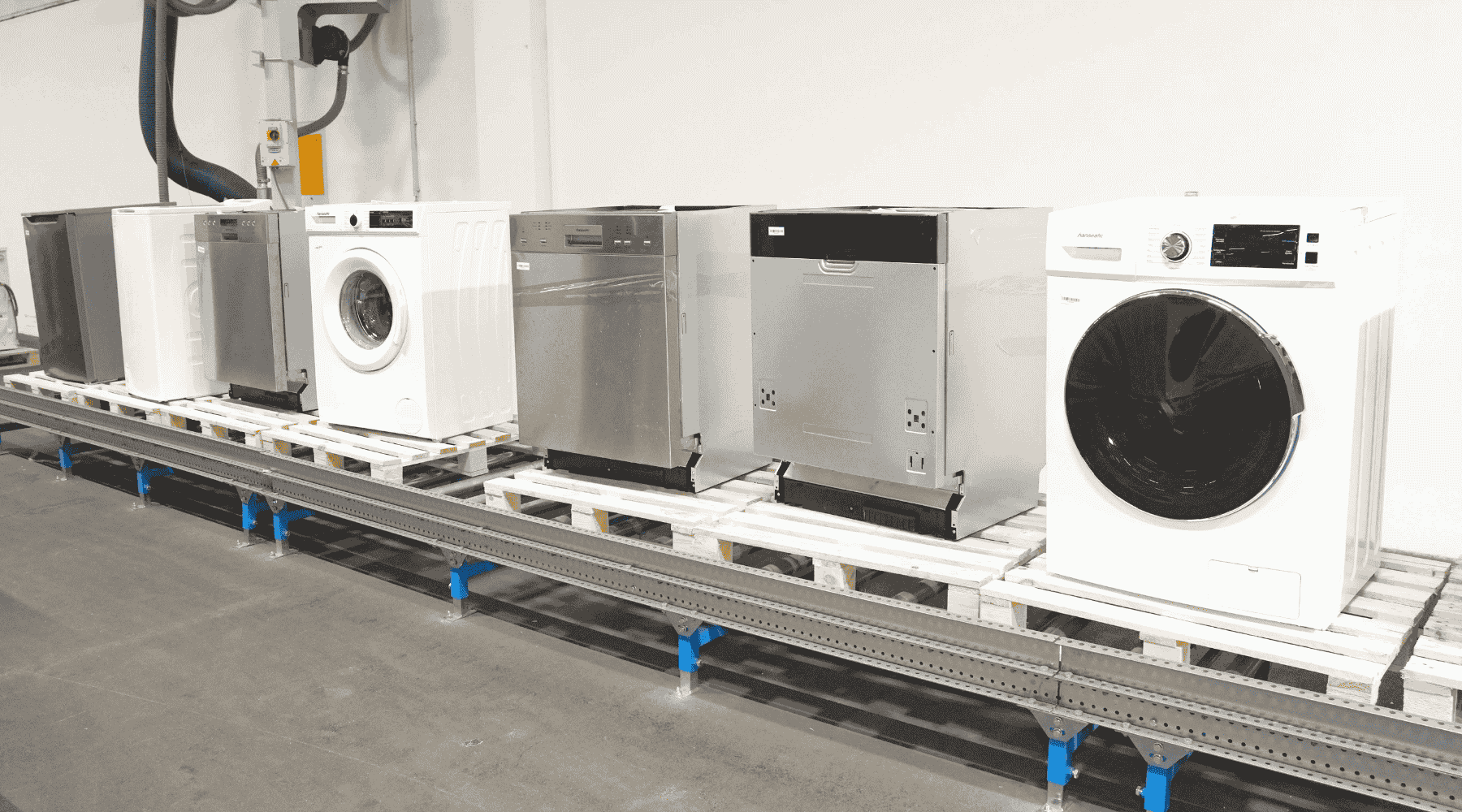
Buying returns has developed into a profitable business model in recent years. When you buy returns as a retailer, you therefore receive high-quality products at reduced prices. You can also resell them with attractive margins. Buying returns also helps to conserve resources because good products are not destroyed. Instead, they are given a second life cycle.
This guide will therefore tell you everything you need to know about buying returns: from the basics to quality ratings and successful sales strategies. You will also learn what to look out for when purchasing. We will also show you how you can increase your margins. Whether you are new to this business or want to expand your existing range, this guide will provide you with the knowledge you need to make successful decisions.
Returns are products that end customers have sent back to the retailer or manufacturer. Consequently, the reasons for returns are varied. They range from simple bad purchases to technical defects. In the German mail order business, consumers have a statutory right of withdrawal of 14 days. The returns rate in e-commerce is therefore correspondingly high.
The most common reasons why products are returned and you can buy returns later are:
After customers have returned products, they usually go through a fixed process:
This is where the opportunity begins for you as a retailer when you buy returns via elvinci:
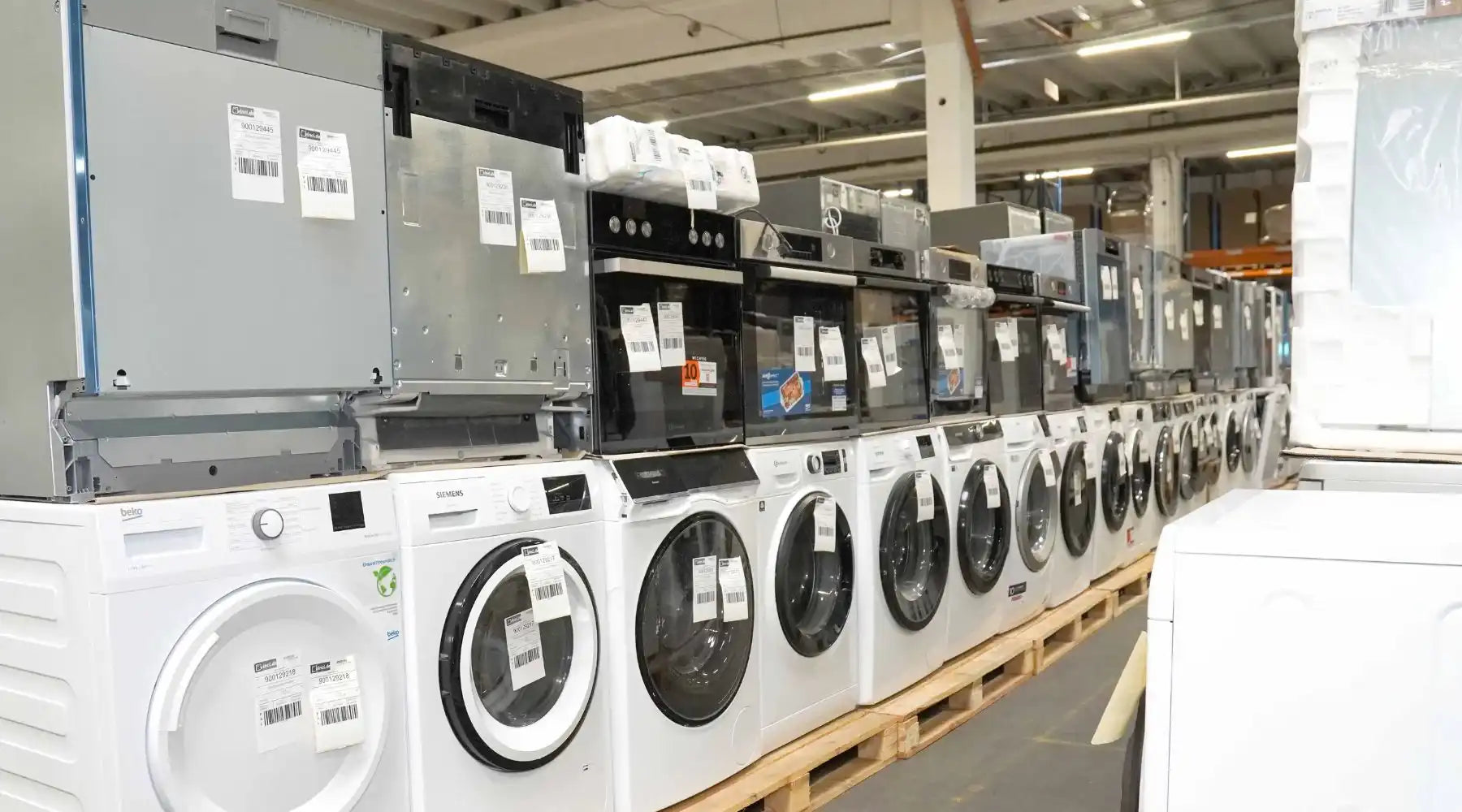
As a wholesaler, Elvinci therefore takes care of quality control for you: every single appliance is visually inspected. In addition, an assessment is carried out using a 100-point system. Each appliance is also documented photographically.
As a retailer, you therefore accept the goods from this point onwards. You then carry out the following steps: Functional testing, repair if necessary, reconditioning and finally resale to your end customers.
The key difference between elvinci and other wholesalers is that while most suppliers resell returns without checking them, elvinci offers a clear assessment. This is based on visual defects. This means you know exactly what you are buying when you buy returns. However, the functional check and possible repair is then up to you.
The biggest advantage is therefore the reduced purchase prices. When you buy returns, they are therefore offered at a significantly lower price than new goods. This is because they can no longer be sold as "brand new". This price advantage therefore allows retailers attractive margins when reselling. As a result, you can increase your profit margin. At the same time, you can also offer competitive prices.
The returns market also offers access to an enormous variety of products across all sectors. When you buy returns, you will find a large selection ranging from electrical appliances to household goods and tools. What's more, the range is constantly changing. This allows you to flexibly design your range. It also allows you to react to market trends.
In contrast to most suppliers, who resell returns without checking them, some wholesalers offer a clear quality assessment. A precise points system with 100 gradations instead of rough A/B/C groups enables a realistic calculation. This means you know exactly what you are buying. What's more, you only pay the actual value of the goods when you buy returns.
Trading in returns also actively contributes to the circular economy. Products that might otherwise be destroyed are given a second chance. This sustainability argument is also appreciated by more and more consumers. It can therefore be used as a feature in brand communication. It also strengthens your brand image at the same time.
The business model can also be scaled flexibly if you buy returns. Retailers can start with small quantities. If successful, they can then gradually scale up. The various purchasing formats therefore offer suitable options for companies of all sizes. This also minimizes your risk when starting out.

The classic division into A, B and C goods is the norm for most suppliers. However, this is precisely where the problem lies when you buy returns:
Why ABC groups are not enough:
Example from practice:
Wholesalers such as elvinci have therefore developed precise assessment systems. These accurately document the condition of each individual device. No more blanket groups, but instead a precise rating from 100 points (as good as new) to 0 points (defective) when you buy returns.
That makes all the difference:
✅ Clarity instead of Excel lists: Each device is documented with photos and precise descriptions. So you can see exactly what you are buying.
✅ Exact prices: The number of points also determines the price automatically. This means that you only pay the actual value of the goods.
✅ Better calculation: You can also plan your sales prices on a sound basis with the exact points evaluation.
✅ Detailed evaluation: A scratch on the back is assessed differently to one on the front. This is because one is visible while the other is not.
After the purchase, you therefore accept the goods. Then carry out the following steps if required:
A precise evaluation system provides you with a clear basis for this. You then optimize the rest according to your standards after you buy returns.
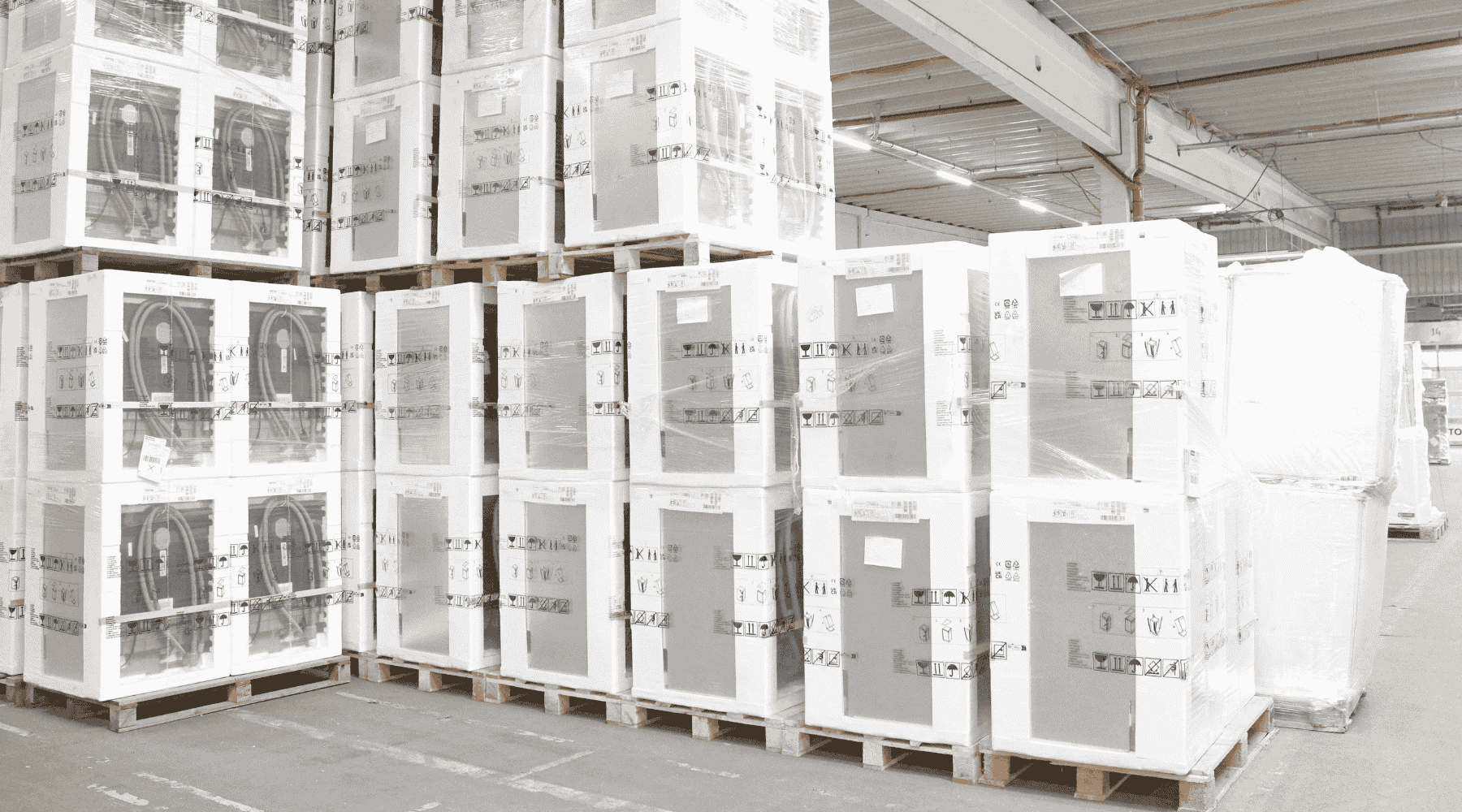
In the professional returns trade, there are no classic "individual purchases" as in the private customer business. As a retailer, you therefore buy:
This fundamentally distinguishes B2B returns trade from the end customer business. You think in business quantities, not individual items, when you buy returns.
What is a pallet? A bundled delivery with several articles of one group or mixed.
Advantages:
Disadvantages:
Suitable for:
What does that mean? You choose at least 5 devices from the range. You then compile your delivery individually when you buy returns.
Advantages:
Disadvantages:
Suitable for:
Important to understand: Prices vary greatly depending on product type, size and condition. They therefore do not depend on the purchase format when you buy returns.
Examples from practice:
✅ One side-by-side refrigerator (large appliance, high-quality)
✅ A standard washing machine (large appliance, standard)
✅ Range of small appliances (coffee machines, mixers, vacuum cleaners)
The rule: Therefore, always compare price per appliance with resale value - not format against format. One high-quality large appliance can therefore be more profitable than ten small appliances.
Modern wholesalers also offer maximum flexibility when you buy returns:
This flexibility thus combines the advantages of different purchasing strategies. It also enables customized procurement for your business model.

Washing machines, refrigerators, dishwashers and ovens are among the most popular products when buying returns. Demand is therefore constantly high, as these appliances are needed in every household. They also offer attractive margins.
Special features:
Success factors:
Coffee machines, vacuum cleaners, blenders, irons and other small appliances offer an excellent balance between investment and return when you buy returns.
Special features:
Success factors:
Consumer electronics: Televisions, sound systems and headphones offer high margins, but precise condition checks are required
Tools and garden equipment: Seasonal tips and robust products with a long service life
Furniture and furnishings: Large margins, but higher logistical requirements
Choosing a reputable and reliable supplier is therefore crucial for success when buying returns.
Quality criteria:
The decisive difference: Most suppliers sell on returns without checking them - so you are buying blind. Specialized wholesalers, on the other hand, offer visual inspection, evaluation and photographic documentation of each individual device.
Retailers should also create their own test criteria for rated products:
Checklist for the evaluation when buying returns:
A realistic calculation is important here:
Cost accounting:
Pricing:
Warranty: As a commercial seller, you are obliged to provide a warranty. However, you can reduce the warranty period to one year for B-goods and returns. However, this must be clearly communicated.
Product liability: You are also responsible for the safety of the products. Defective devices may therefore not be sold if there is a risk.
Mandatory labeling: B-goods and returns must be clearly marked as such. Furthermore, defects must not be concealed.
Use different sales channels to increase your reach after you buy returns:
Online marketplaces:
Own online store:
Stationary trade:
High-quality product photos:
Meaningful descriptions:
Confidence-building measures:
Adapt your range to seasonal demand:
Excellent customer service:
Reward loyalty:
Trading in returns makes an important contribution to the circular economy. Every product sold that does not end up in the bin saves valuable resources when you buy returns:
More and more consumers are attaching importance to sustainable consumption. So communicate these values:
In the product description:
Preserve authenticity: Avoid greenwashing - only communicate what is actually true. Sustainability is also a real advantage of your business model. You can therefore present this with confidence.
Organize incoming goods:
Optimal storage structure:
Space-saving methods:
Professional shipping:
Packaging as a quality feature:
No, this is a widespread misconception. The majority of returns are therefore visually in good condition when you buy returns. The most common reasons for returns are also incorrect purchases, not to your liking or duplicate orders. The retailer must also check the function after the purchase. If necessary, they will then carry out repairs. With clear providers, visual defects are clearly documented and assessed.
Margins vary greatly depending on the product group, condition, processing costs and sales channel. Your purchase prices are therefore decisive. Your ability to repair and refurbish as well as your sales strategy when buying returns also count. Higher margins are often possible for large electrical appliances in good condition.
It is possible to start with different investment levels. You therefore need at least one pallet or 5 appliances as a minimum purchase. A well thought-out strategy is also more important than high start-up capital. You also need technical know-how for functional testing and repairs as well as a solid sales channel. As your experience grows, you can gradually increase your investment.
Yes, for commercial trade you need a registered business if you want to buy returns. As a commercial retailer, you are therefore subject to the warranty obligation. You must also be able to issue invoices. However, registering your business is simple and can be done at your local trade office. You can only buy from professional wholesalers as a registered trader.
Pay attention to the following criteria: clear product descriptions with pictures, a precise rating system and comprehensible prices. You should also pay attention to a professional website and communication. Positive reviews from other retailers and clear terms and conditions are just as important. The decisive difference: Most suppliers therefore sell on unchecked goods. Professional wholesalers, on the other hand, offer visual inspection and a precise rating system for maximum clarity.
You are obliged to provide a warranty. However, this can be reduced to one year for B-goods. You must also clearly label products as B-goods or returns. You also bear product liability and must clearly communicate defects. Consequently, the right of withdrawal applies when selling to end customers.
Organize your warehouse according to product groups. Also use shelving systems efficiently. Also store fast-moving items within easy reach. You should also protect sensitive electronics from moisture and temperature fluctuations. Consequently, use digital warehouse management. You should also carry out regular inventories.
In the professional B2B returns trade, there are no classic individual purchases as in the private customer business. You therefore either buy at least 1 pallet or put together at least 5 devices individually when you buy returns. This distinguishes the commercial trade from the end customer business. Modern wholesalers allow you to put together your order flexibly according to your needs.
Most suppliers resell returns without checking them. As a result, they buy blind with rough ABC groups. Specialized wholesalers, on the other hand, use precise evaluation systems with up to 100 gradations instead of rough ABC groups when you buy returns. Each device is visually inspected, photographed and described in detail. A scratch on the back is also rated differently to one on the front. However, the functional check and possible repair is then the responsibility of the retailer.
Yes, the returns trade is also suitable for a part-time start. Therefore, start with a minimum purchase (1 pallet or 5 devices) and small product groups. Online marketplaces also offer a good infrastructure. Technical know-how for functional testing and repair is also important. With increasing experience and success, you can gradually expand your business.
The trade offers retailers an attractive opportunity to build up a successful business with calculable risk and good margins when buying returns. Three factors are therefore crucial to your success: the right choice of a clear supplier, technical expertise for functional testing and repairs and a professional sales strategy.
The biggest difference to other business models: You buy goods at significantly reduced prices. You also invest your manpower in testing and processing. As a result, you achieve attractive margins when reselling.
Clarity is also particularly important when buying returns. While most suppliers resell returns without checking them, specialized wholesalers offer precise evaluation systems. These comprise up to 100 gradations instead of rough ABC groups. As a result, you know exactly what you are buying. What's more, you only pay the actual value of the goods.
Those who communicate honestly with their customers, realistically describe the condition of the goods and offer professional service will consequently build long-term customer relationships. They also benefit from recommendations. The returns trade is a business model with real potential. So take advantage of the opportunity for your commercial success when you buy returns.
Are you already a commercial retailer and would like to benefit from transparent returns purchasing?
Advantages when you buy returns from specialized wholesalers:
Important: Registration with professional wholesalers is only possible with an existing business.
A-goods: The comprehensive guide for B2B retailers
Buying returns - The ultimate guide 2026
Share:
Returned electronics: opportunities and challenges when buying and reselling pallets of returned goods
A-goods: The comprehensive guide for B2B retailers